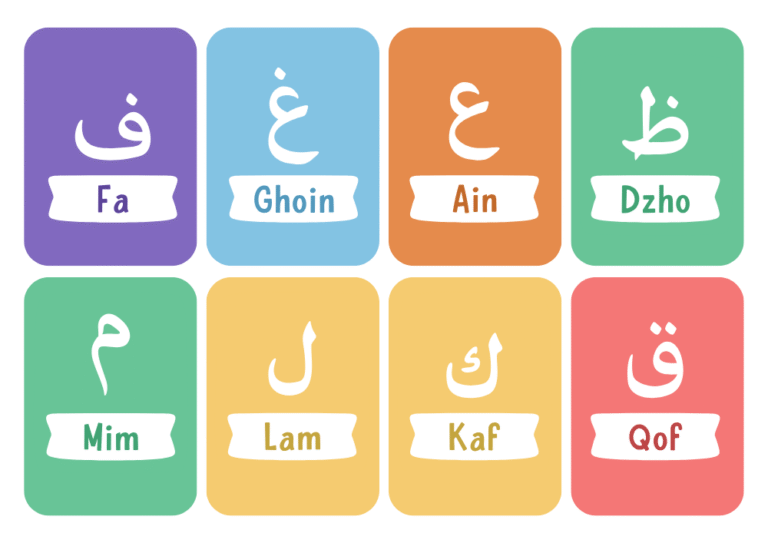
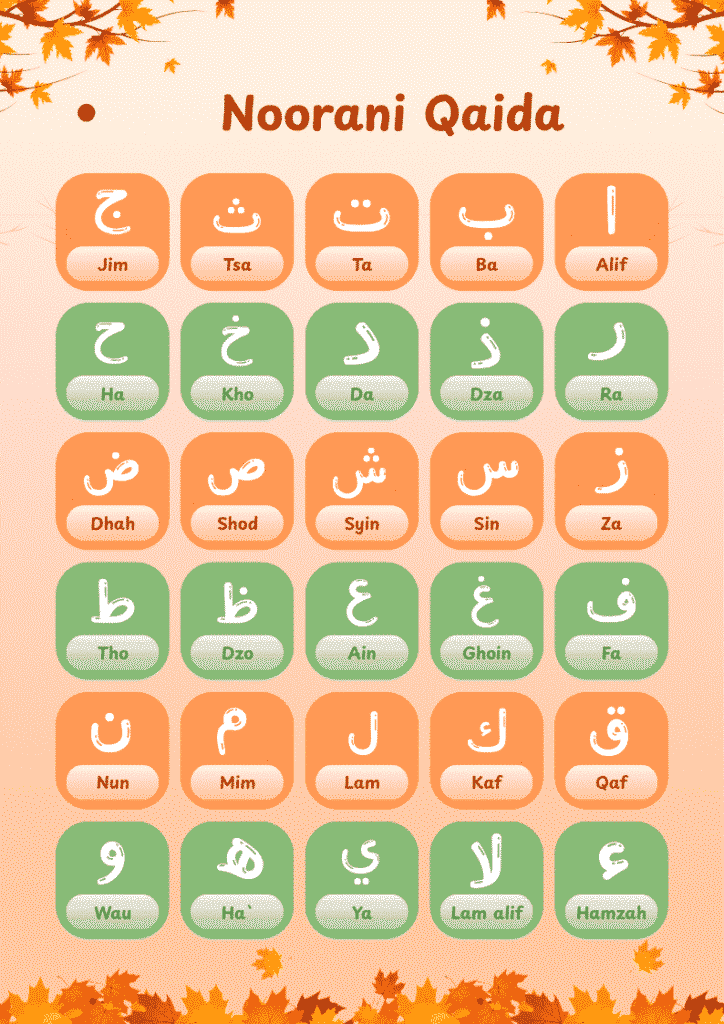
What is Noorani Qaida? Your Complete Starting Point
Noorani qaida represents the gateway to Quran reading for millions worldwide. Before attempting Quran directly, students master this foundational book. Think of it as the alphabet primer for Arabic Quranic reading.
Every Muslim child or adult beginner encounters noorani qaida eventually. Some start age four. Others begin age forty. Age irrelevant. Starting point identical. Foundation essential. Success dependent.
This systematic method teaches Arabic letters, vowel marks, joining rules, and pronunciation basics. Seventeen carefully designed lessons progress logically. Each builds upon previous. None skippable. Completion necessary. Reading possible afterward.
Developed decades ago, noorani qaida remains the most popular Quran learning method globally. Pakistan, India, Bangladesh, UK, USA, Canada all use it. Millions graduated. Success proven. Method trusted. Results consistent.
Reading Time: 12 minutes Skill Level: Complete Beginners Age Range: 4 years to 80+ years
Understanding Noorani Qaida Definition
What Does Noorani Mean
- Noorani derives from Arabic word “Noor” meaning light. Noorani translates “luminous” or “enlightened.” The book brings light of Quran reading. Darkness of illiteracy eliminated. Knowledge illuminated. Path cleared.
- Sheikh Noor Muhammad Ludhyanvi authored this masterpiece. His name embedded in title. Legacy continued. Students millions. Impact immeasurable. Contribution eternal.
What Does Qaida Mean
- Qaida means foundation, base, or rule in Arabic. Also translates as primer or elementary book. Foundation Quran reading. Base upon which skills built. Rules systematically taught.
- Combined together, noorani qaida means “luminous foundation” or “enlightened primer.” Name perfect. Purpose clear. Benefit obvious. Success guaranteed.
Complete Definition
Noorani qaida is a systematic, lesson-based primer teaching Arabic alphabet recognition, vowel pronunciation, letter joining rules, and basic Tajweed principles necessary for Quran recitation. Seventeen progressive lessons. Four to eight months completion typical. Foundation solid after. Quran reading possible.
History and Development of Noorani Qaida
The Author Sheikh Noor Muhammad
- Sheikh Noor Muhammad Ludhyanvi born Ludhiana, India early twentieth century. Religious scholar. Quran teacher. Noticed students struggling. Quran reading difficult. Mistakes common. Pronunciation poor. System needed.
- Traditional methods existed. Baghdad Qaida older. Rehmani Qaida available. But systematic approach lacking. Progressive difficulty absent. Students confused. Learning slow. Dropout high.
- Sheikh developed revolutionary method. Lessons ordered perfectly. Difficulty increased gradually. Examples chosen carefully. Practice abundant. Success predictable.
When Was It Created
- Exact date uncertain. Estimates suggest 1940s or 1950s. Pre-partition India. Islamic education thriving. Madrasas numerous. Need systematic curriculum. Sheikh responded. Method developed. Success immediate.
- Post-partition Pakistan adopted enthusiastically. Madrasas implemented. Schools integrated. Home teaching utilized. Popularity exploded. Standard established. Competition minimal.
Spread Across the World
- Pakistan and India first adopters. Millions learned. Success visible. Word spread. Bangladesh embraced. Middle East noticed. UK diaspora imported. USA communities implemented. Canada families adopted.
- Today, noorani qaida reaches every continent. Mosques worldwide stock it. Online academies teach it. Parents purchase it. Teachers recommend it. Students complete it. Success universal.
Versions and Editions
- Original Urdu edition most common. English translations available. French, Spanish, Turkish versions exist. Colorful children editions. Black-white traditional. Large print seniors. Digital apps modern.
- Content identical essentially. Layout may differ. Colors vary. Font sizes change. Core lessons same. Methodology unchanged. Effectiveness proven. Results consistent.
Noorani Qaida is Essential
Foundation Before Quran
Attempting Quran without qaida like building without foundation. Structure weak. Collapse likely. Noorani qaida provides base. Solid footing. Skills developed. Confidence built. Success probable.
Arabic letters twenty-eight. Shapes unfamiliar. Sounds different. Joining rules complex. Vowel marks confusing. Without systematic learning, chaos results. Qaida eliminates chaos. Order established. Learning systematic. Progress visible.
Prevents Bad Habits
Learning Quran directly creates pronunciation errors. Mistakes become habits. Habits permanent. Correction difficult later. Noorani qaida prevents this. Correct pronunciation from start. Habits good. Foundation solid. Future secured.
Teachers report repeatedly. Students without qaida struggle. Mispronunciation common. Tajweed errors numerous. Relearning necessary. Time wasted. Frustration high. Qaida graduates avoid this. Reading correct. Tajweed basics present. Progress smooth.
Builds Confidence Systematically
Complete beginners feel overwhelmed. Quran seems impossible. Arabic foreign. Reading distant dream. Noorani qaida builds confidence gradually. Lesson one simple. Success immediate. Lesson two builds on. Confidence grows. Progress visible. Achievement felt.
By lesson seventeen, student transformed. Confidence high. Skills developed. Quran approachable. Fear eliminated. Excitement present. Success certain.
Suitable All Ages
Four-year-old child starts. Seventy-year-old grandmother begins. Same book. Same lessons. Same method. Age irrelevant. Starting point identical. Success possible all.
Children enjoy colors. Games integrated. Progress steady. Adults appreciate logic. System clear. Progress measured. Seniors value patience. Pace comfortable. Achievement celebrated.
Universally Recognized
Any mosque recognizes noorani qaida completion. Any madrasa accepts graduate. Any teacher understands level. Universal standard. Global recognition. Transferable skill. Credential valuable.
Student moving countries? Qaida completion travels. New teacher continues smoothly. Progress maintained. Learning uninterrupted. Standard universal. Benefit global.
Complete Breakdown of 17 Lessons
Lesson 1: Individual Letters
Content: Twenty-eight Arabic letters introduced individually. No joining. No vowels. Just recognition. Shape learning. Name memorizing. Sound producing.
Duration: 3-5 days typically. Depends age. Memory ability. Practice frequency. Teacher pace. Student readiness.
Goal: Recognize all twenty-eight letters. Pronounce correctly. Differentiate similar shapes. Foundation established.
Common Challenges: Similar letters confused. ب ت ث (ba, ta, tha) look alike. ح خ (ha, kha) similar. Practice needed. Patience required.
Lesson 2: Letters with Fatha
Content: Same letters now with fatha (zabar). Short “a” sound. Letter plus vowel. Reading combination. Sound blending.
Example: ب becomes بَ (ba). ت becomes تَ (ta). Simple addition. Significant impact. Reading begins.
Duration: 4-6 days. Vowel concept new. Sound blending practice. Fluency developing. Confidence building.
Goal: Read any letter with fatha. Sound produce correctly. Speed developing. Accuracy maintaining.
Lesson 3: Letters with Kasra
Content: Letters with kasra (zer). Short “i” sound underneath. New vowel introduced. Previous reinforced. Skills expanding.
Example: بِ (bi), تِ (ti), ثِ (thi). Pronunciation different. Recognition important. Application practiced.
Duration: 4-6 days. Pattern established. Learning accelerating. Understanding deepening. Progress visible.
Lesson 4: Letters with Damma
Content: Letters with damma (pesh). Short “u” sound above. Third vowel completed. Basic vowels mastered. Foundation solid.
Example: بُ (bu), تُ (tu), ثُ (thu). Recognition automatic. Pronunciation natural. Reading flowing.
Duration: 3-5 days. Pattern familiar. Speed increasing. Confidence high. Success evident.
Lesson 5: Mixed Vowels Practice
Content: All three vowels mixed randomly. Recognition tested. Flexibility developed. Real reading simulated. Skills integrated.
Example: بَ تِ ثُ random combinations. Quick identification. Accurate pronunciation. Fluent reading. Mastery approached.
Duration: 5-7 days. Consolidation phase. Practice intensive. Mistakes corrected. Fluency achieved.
Importance: Critical lesson. Differentiates memorizers from readers. Random access essential. Quran reading requires this. Preparation complete.
Lesson 6: Joining Two Letters
Content: Letters start connecting. Two-letter words. Joining rules introduced. Reading words beginning. Complexity increasing.
Example: بَتَ (bata), تِثُ (tithu). Connection learned. Flow developing. Word formation. Meaning approaching.
Duration: 6-8 days. New concept. Practice needed. Mistakes expected. Patience required. Success eventual.
Lesson 7: Joining Three Letters
Content: Three letters connected. Longer words. Middle letters different. Ending letters change. Rules expanding. Understanding deepening.
Example: كَتَبَ (kataba) meaning “wrote”. Real words appearing. Meaning present. Interest increasing. Motivation high.
Duration: 7-10 days. Complexity higher. Practice intensive. Mastery gradual. Achievement significant.
Lesson 8: Noon Sakinah and Tanween
Content: Noon sakinah (نْ) introduced. Tanween marks (ً ٍ ٌ) taught. Pronunciation rules. Tajweed basics beginning. Sound modifications. Quality improving.
Duration: 8-10 days. Tajweed entry point. Rules memorized. Application practiced. Understanding developed.
Importance: Foundation tajweed rules. Critical for correct recitation. Quran quality dependent. Mastery essential.
Lesson 9: Madd Letters
Content: Long vowels. Alif, waw, ya as madd. Sound elongation. Duration correct. Pronunciation beautiful. Recitation melodious.
Example: قَالَ (qaala) elongated. كُونُوا (koonu) extended. Difference clear. Beauty emerging.
Duration: 6-8 days. Concept straightforward. Application practice. Hearing training. Production perfecting.
Lesson 10: Sukoon and Shadda
Content: Sukoon (ْ) no vowel mark. Shadda (ّ) letter doubling. Sound stopping. Sound emphasizing. Tajweed deepening. Quality elevating.
Duration: 7-9 days. Tajweed significance. Pronunciation impact. Practice necessary. Mastery gradual.
Lesson 11: Waqf (Stopping Signs)
Content: Where to stop reading. Breath taking places. Meaning preserving. Continuation understanding. Recitation flow. Proper pausing.
Symbols: ۚ (stop allowed), ۛ (better continue), ۘ (stop better), ۗ (no stop). Recognition important. Application natural. Quran reading proper.
Duration: 5-7 days. Symbol memorization. Usage understanding. Application practicing. Fluency improving.
Lesson 12: Meem Sakinah
Content: Silent meem (مْ) rules. Three rules learned. Idgham, ikhfa, izhar. Pronunciation subtle. Quality impacting. Tajweed advancing.
Duration: 8-10 days. Tajweed complexity. Practice intensive. Listening careful. Production accurate.
Lesson 13: Qalqalah Letters
Content: Five echoing letters. ق ط ب ج د (qaf, taa, ba, jeem, daal). Sound bouncing. Vibration creating. Recitation distinctive. Beauty enhancing.
Duration: 6-8 days. Physical demonstration. Feeling understanding. Production practicing. Mastery achieving.
Lesson 14: Heavy and Light Letters
Content: Tafkheem (heavy) and tarqeeq (light) pronunciation. Letters classified. Tongue positioning. Sound quality. Recitation authenticity. Proper Arabic.
Duration: 7-9 days. Subtle differences. Ear training. Production refining. Quality elevating.
Lesson 15: Noon and Meem Mushaddad
Content: Doubled noon and meem. Ghunnah sound. Nasal resonance. Duration correct. Quality beautiful. Recitation melodious.
Duration: 6-8 days. Sound producing. Duration measuring. Quality checking. Beauty achieving.
Lesson 16: Rules of Raa
Content: Letter raa (ر) sometimes heavy sometimes light. Rules learned. Context dependent. Application complex. Mastery significant.
Duration: 8-10 days. Tajweed challenging. Practice necessary. Understanding deep. Application correct.
Lesson 17: Laam in Allah
Content: Special pronunciation Allah (الله). Heavy light rules. Context dependent. Respect showing. Recitation proper. Tajweed completion.
Duration: 5-7 days. Final lesson. Integration total. Skills complete. Qaida finished. Quran ready.
How Long Does Noorani Qaida Take?
Age Factor
Children 4-7 years: 8-12 months typical. Attention span short. Learning slower. Practice needed. Patience required. Success eventual.
Children 8-12 years: 6-9 months average. Comprehension better. Memory stronger. Progress faster. Completion sooner.
Teenagers 13-18: 5-7 months possible. Quick learning. Understanding deep. Motivation variable. Completion likely.
Adults 19-50: 6-9 months typical. Learning curves different. Comprehension excellent. Time limited. Progress steady.
Seniors 50+: 8-14 months common. Memory slower. Repetition needed. Patience abundant. Success certain.
Frequency Impact
Daily classes: 4-6 months completion. Momentum maintained. Skills fresh. Progress rapid. Success predictable.
Three times weekly: 6-9 months typical. Balanced approach. Life manageable. Progress steady. Completion certain.
Twice weekly: 9-12 months expected. Progress slower. Retention challenged. Commitment required. Completion eventual.
Once weekly: 12-18 months minimum. Very slow progress. Skills fading. Not recommended. Success uncertain.
Practice Importance
Daily practice: Timeline shortest. Skills reinforced. Progress maximum. Success guaranteed. Completion fastest.
Practice 3-4 times weekly: Timeline moderate. Progress good. Skills developing. Completion probable.
Minimal practice: Timeline longest. Skills weak. Progress slow. Completion questionable. Success unlikely.
No practice: Timeline indefinite. Skills forgotten. Progress zero. Completion impossible. Failure certain.
Learning Methods Available
Traditional Mosque Classes
Setting: Physical mosque or madrasa. Group environment. Teacher present. Students multiple. Peer learning. Community connection.
Advantages: Free or low cost. Social interaction. Community bonds. Physical guidance. Immediate correction. Traditional authentic.
Disadvantages: Fixed timing. Commute required. Overcrowded often. Individual attention limited. Progress varied. Dropout possible.
Best For: Community seekers. Budget conscious. Physical presence preferred. Social learners. Local mosque accessible.
Private Home Tutors
Setting: Teacher visits home. One-to-one or small group. Flexible somewhat. Personalized attention. Individual pacing. Privacy comfortable.
Advantages: Individual focus. Home convenience. Flexible scheduling possible. Personal relationship. Progress monitored. Quality variable.
Disadvantages: Cost higher. Teacher reliability issues. Background verification difficult. Consistency uncertain. Availability limited. Replacement challenging.
Best For: Privacy preferred. Budget allows. Individual attention valued. Home learners. Flexible schedule needed.
Online Quran Classes
Setting: Virtual platform. Teacher live video. One-to-one guaranteed. Global accessibility. Home comfort. Technology enabled.
Advantages: Individual attention complete. Schedule flexible totally. Teacher verified. Quality consistent. Progress tracked. Cost moderate. Commute eliminated. Weather irrelevant.
Disadvantages: Internet required. Technology comfort needed. Screen time increased. Physical interaction absent.
Best For: Busy families. Quality seekers. Individual attention valued. Flexible schedule needed. Global learners. Modern approach.
Recommended: [Link to Noorani Qaida Course page]
Self-Learning with Books
Setting: Book purchased. Self-paced. No teacher. Independent learning. Schedule personal. Cost minimal.
Advantages: Cost lowest. Flexibility maximum. Privacy complete. Pace personal. Pressure absent.
Disadvantages: Mistakes uncorrected. Pronunciation uncertain. Motivation challenging. Completion rare. Quality questionable. Accountability absent.
Best For: Highly motivated. Limited budget. Teacher unavailable. Supplemental learning. Review practice.
Mobile Apps and Software
Setting: Digital platform. Interactive lessons. Gamification possible. Progress tracking. Audio included. Visual aids.
Advantages: Convenient accessible. Interactive engaging. Audio pronunciation. Progress visible. Cost low. Anytime learning.
Disadvantages: Teacher interaction absent. Mistakes uncorrected. Quality variable. Completion low. Accountability missing. Screen addiction possible.
Best For: Supplement learning. Alphabet recognition. Vocabulary building. Practice reinforcement. Budget tight. Tech-savvy learners.
Noorani Qaida vs Other Qaidas
Noorani Qaida vs Madani Qaida
- Madani Qaida developed later. Similar structure. Seventeen lessons also. Minor differences approach. Color coding different. Examples varied. Both effective ultimately.
- Noorani more established. Longer history. Teachers familiar. Resources abundant. Global recognition. Standard considered.
- Madani newer relatively. Color coding attractive. Children engaged. Modern approach. Growing popularity. Alternative viable.
- Recommendation: Either works well. Teacher familiarity matters. Student preference considered. Completion important. Method secondary.
Noorani Qaida vs Baghdad Qaida
- Baghdad Qaida older historically. Traditional approach. Fewer lessons. Less systematic. Examples different. Middle East common.
- Noorani more comprehensive. Systematic progression. Tajweed included. Lessons structured. Completion clearer.
- Best Use: Baghdad supplementary. Noorani primary. Combined possible. Flexibility allowed. Success goal.
Noorani Qaida vs Rehmani Qaida
- Rehmani Qaida alternative method. Similar goals. Different organization. Lesson structure varied. Examples different. Both proven.
- Availability: Noorani more widespread. Teachers trained. Resources abundant. Rehmani regional. Availability limited. Teachers fewer.
- Effectiveness: Both achieve results. Personal preference matters. Teacher comfort important. Student engagement key. Completion goal.
Common Challenges and Solutions
Challenge 1: Similar Looking Letters
Problem: ب ت ث look alike. ح خ ج confuse. س ش similar. Recognition difficult. Mistakes common.
Solution: Color coding. Exaggerated writing. Physical tracing. Flashcard practice. Repeated exposure. Patience required. Time heals.
Challenge 2: Pronunciation Difficulty
Problem: Arabic sounds unfamiliar. ض ظ ذ challenging. غ ق unusual. ح ع difficult. Tongue positioning unclear.
Solution: Teacher demonstration. Mirror practice. Recording listening. Repetition abundant. Physical guidance. Patience necessary. Improvement gradual.
Challenge 3: Motivation Loss
Problem: Progress slow feels. Boredom develops. Interest wanes. Attendance drops. Completion threatened.
Solution: Goals setting. Rewards system. Progress celebrating. Variety introducing. Games incorporating. Encouragement constant. Completion visualizing.
Challenge 4: Memory Retention
Problem: Lessons forgotten. Rules mixed. Previous lessons fade. Current confusing. Frustration building.
Solution: Daily practice essential. Review regular. Spiral learning. Previous lessons revisited. Consolidation time. Patience abundant. Progress eventual.
Challenge 5: Time Management
Problem: Schedule busy. Classes missed. Practice skipped. Progress interrupted. Completion delayed.
Solution: Priority setting. Schedule fixed. Commitment family. Short sessions multiple. Quality over quantity. Consistency valued. Completion eventual.
Success Stories Real Students
Frequently Asked Questions
Is Noorani Qaida necessary before Quran?
Highly recommended strongly. Foundation provides. Mistakes prevents. Pronunciation correct. Tajweed basics. Quran reading easier. Success probable. Skipping risky. Quality questionable.
Can adults learn Noorani Qaida?
Absolutely yes. Age irrelevant completely. Learning possible always. Method same. Pace comfortable. Success certain. Thousands prove. Never too late.
How much does Noorani Qaida cost?
Book physical: $5-10. PDF free often. Mosque classes: Free usually. Private tutor: $50-100 monthly. Online classes: $60-90 monthly. Self-learning: Book cost only. Investment small. Returns eternal.
Can I learn Noorani Qaida by myself?
Possible theoretically. Recommended not. Pronunciation uncorrected. Mistakes unnoticed. Habits bad. Quality uncertain. Teacher essential. Investment worthwhile. Success guaranteed.
Is PDF Noorani Qaida available free?
Yes multiple sources. Quality varies. Printing recommended. Screen reading harder. Book feel better. Physical turning. Marking allowed. PDF supplement. Book primary.
Which is better: Noorani or Madani Qaida?
Both effective equally. Structure similar. Goals identical. Teacher familiarity matters. Student preference considered. Availability checked. Either works. Completion important. Method secondary.
Do online classes teach Noorani Qaida effectively?
Yes absolutely. One-to-one attention. Pronunciation corrected. Progress tracked. Schedule flexible. Quality maintained. Success proven. Thousands completed. Results documented. [Link to Course]
How many pages in Noorani Qaida?
Approximately 28-32 pages depending edition. Seventeen lessons contained. Varies publisher. Content identical. Format different. Pages irrelevant. Learning matters. Completion goal.
What after Noorani Qaida completion?
Quran reading begins. Start Juz Amma. Short Surahs first. Surah Nas, Falaq, Ikhlas. Progress Para 30 upward. Tajweed deepens. Understanding develops. Journey continues.
Is Noorani Qaida only for kids?
No absolutely not. All ages suitable. Kids four plus. Adults any age. Seniors seventy plus. Method universal. Age irrelevant. Learning possible. Success proven.
Can I teach my child Noorani Qaida at home?
Possible if qualified. Tajweed knowledge essential. Patience unlimited. Time available. Resources accessible. Otherwise teacher recommended. Quality matters. Investment worthwhile. Future important.
How to know when Qaida complete?
Reading fluent any page. Random opening. Correct pronunciation. Tajweed rules applied. Speed comfortable. Confidence high. Teacher confirms. Certificate issued. Quran ready.
Do I need Arabic language knowledge?
No not necessary. Noorani qaida teaches basics. Arabic language different. Quranic Arabic reading focus. Speaking unnecessary. Understanding comes later. Reading first. Knowledge follows.
Can Noorani Qaida be learned in 3 months?
Intensive program possible. Daily classes. Dedicated practice. Young learner. Quick memory. Possible but challenging. Typical 6-12 months. Quality over speed. Understanding matters. Completion properly.
Is online Noorani Qaida as good as physical?
Equal quality possible. Teacher qualification matters. One-to-one attention. Pronunciation corrected. Progress tracked. Flexibility better. Comfort increased. Success proven. Thousands graduated. Quality maintained.
Ready to Start Your Quran Journey?
Noorani qaida opens Quran doors. Foundation solid. Method proven. Success certain. Age irrelevant. Time now. Decision simple. Investment small. Returns eternal.
Thousands completed before you. Millions reading Quran daily. Journey started qaida. Path clear. Teacher available. Support provided. Success guaranteed.
Start Learning Noorani Qaida Today
Online One-to-One Classes
- Qualified Ijazah teachers
- Flexible scheduling worldwide
- Individual attention guaranteed
- Progress tracked weekly
- Completion 6-12 months
- Free trial class available
Contact Information
WhatsApp/Call: +92-346-4011994 Email: anayahfatima5719@gmail.com
Course Page: View Course