Noorani Qaida in English | Your Complete Guide
Noorani qaida in english bridges language barriers completely. English speakers access Quran learning. Translation helps understanding. Transliteration aids pronunciation. Instructions clear comprehensible. Learning facilitated significantly. Arabic becomes accessible. Quran reading achievable.
Western converts especially benefit tremendously. Urdu unknown completely. Arabic foreign entirely. English familiar comfortable. Instructions understood easily. Progress faster achievable. Confidence higher maintained. Success probable guaranteed.
English-medium students worldwide need this. Pakistan India English schooling. UK USA Canada native speakers. Australia English primary. Understanding English better. Instructions clearer comprehensible. Learning accelerated significantly. Foundation solid built.
This comprehensive guide explains everything thoroughly. Translation versus transliteration understood. English system explained completely. Lessons breakdown English provided. Benefits challenges analyzed. Success stories shared. Resources listed available. Path recommended systematically.
Reading Time: 20 minutes Audience: English Speakers Skill Level: Complete Beginners Language: English Explanations
Why English Version Matters
Non-Urdu Speakers Need
Global Muslim Population: Majority non-Urdu speakers. Arabic native few. English global language. Communication medium worldwide. Learning resource English accessible. Understanding facilitated greatly. Education equitable available.
Language Barrier Removed: Urdu instructions incomprehensible. Arabic grammar unknown. English explanations clear. Concepts understood deeply. Progress unhindered smooth. Learning efficient effective. Success probability higher.
Accessibility Increased: English resources abundant. Books available widely. PDFs downloadable free. Videos numerous YouTube. Apps multiple options. Teachers English-speaking. Learning supported completely.
Western Converts Benefit
Recent Converts: Islam new faith. Arabic foreign language. Urdu never heard. English native tongue. Learning Quran priority. Language obstacle huge. English version essential. Bridge necessary provided.
Understanding Deeper: Rules explained English. Concepts clarified thoroughly. Why behind what. Comprehension complete. Questions answered language. Doubt removed clarity. Foundation solid confident.
Community Integration: English mosques Western. Teachers speak English. Students English-speaking. Resources English available. Support English provided. Integration smooth natural. Success community-supported.
English-Medium Students Advantage
Modern Education: Pakistan India English schools. Medium instruction English. Thinking language English. Urdu limited basic. English fluent comfortable. Learning English faster. Comprehension deeper better.
Conceptual Understanding: Technical terms English familiar. Grammar rules English understood. Explanations English clearer. Application easier quicker. Retention better stronger. Success probability higher. Excellence approached faster.
Understanding Translation vs Transliteration
What is Translation
Definition: Meaning converted language. Urdu instructions English meaning. Concepts explained English. Understanding facilitated comprehension. Example: “zabar” translated “fatha” meaning.
Purpose: Understanding concepts deeply. Why rules exist. How apply correctly. Meaning behind symbols. Knowledge comprehensive thorough. Foundation strong solid.
Example: Urdu: “Alif ke upar zabar laga do” | English Translation: “Place fatha mark above alif” | Meaning clear understood.
What is Transliteration
Definition: Sounds written Roman letters. Arabic sounds English alphabet. Pronunciation guide phonetic. Example: أَ written “a”, بَ written “ba”.
Purpose: Pronunciation assistance temporary. Sound production guided. Arabic letters recognized. Reading enabled eventually. Bridge temporary useful. Independence eventual goal.
Example: Arabic: أَلِفْ | Transliteration: “alif” | Sound approximated English.
Which Better Learning
Both Needed Combined: Translation understanding provides. Transliteration pronunciation aids. Together comprehensive learning. Understanding plus application. Knowledge plus skill. Foundation complete solid.
Learning Stages:
- Stage 1: English translation understanding concepts
- Stage 2: Transliteration pronunciation learning
- Stage 3: Arabic script recognition direct
- Stage 4: Independence Arabic complete
- Stage 5: Excellence pursuit systematic
Final Goal: Arabic script direct reading. Transliteration eliminated eventually. English understanding retained. Independence achieved complete. Quran reading fluent. Success documented proven.
English Transliteration System Explained
Roman Alphabet Arabic Sounds
Straightforward Sounds: English equivalents close. B, T, D, R, Z, S, L, M, N simple. Pronunciation similar English. Learning easy quick.
Example Straightforward:
- ب (ba) = B in “boy”
- ت (ta) = T in “top”
- د (da) = D in “dog”
- ر (ra) = R rolled
- س (sa) = S in “sun”
Modified Sounds: English approximate only. Emphasis added notation. Heavy sounds indicated. Throat sounds marked. Precision attempted limited.
Example Modified:
- ص (saa) = Heavy S
- ط (taa) = Heavy T
- ح (ha) = Throat H
- خ (kha) = Guttural kh
- ع (ain) = Deep throat
Special Characters Used
Apostrophe (‘): Represents ain (ع). Deep throat sound. No English equivalent. Example: ‘ayn, mu’min.
Underline or Capital: Heavy emphatic letters. ص ض ط ظ marked. Example: Saad, Daad, Taa, Dhaa.
Double Letters: Shadda doubling indicated. Letter repeated writing. Sound emphasized pronunciation. Example: Muhammad (double m).
Long Vowels: Two letters written. aa, ee, oo used. Duration indicated length. Example: Allaah (long a).
Pronunciation Guide Complete
Short Vowels:
- a = “a” in “cat” (fatha)
- i = “i” in “sit” (kasra)
- u = “u” in “put” (damma)
Long Vowels:
- aa = “a” in “father”
- ee = “ee” in “see”
- oo = “oo” in “food”
Special Sounds:
- kh = Scottish “loch”
- gh = French “r”
- th = “th” in “think”
- dh = “th” in “that”
Lesson-by-Lesson English Breakdown
Lesson 1 English Alphabet Recognition
English Explanation: “This lesson introduces the twenty-eight letters of the Arabic alphabet. Each letter has a name and basic sound. Learn to recognize the shape and say the name. No vowels yet, just letter identification.”
Transliteration Names:
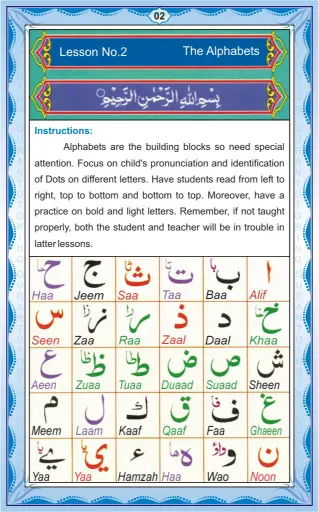
- Alif, Baa, Taa, Thaa, Jeem, Haa, Khaa
- Daal, Dhaal, Raa, Zay, Seen, Sheen, Saad
- Daad, Taa, Dhaa, Ain, Ghain
- Faa, Qaaf, Kaaf, Laam, Meem
- Noon, Haa, Waaw, Yaa
English Instructions: “Look at each letter shape. Say the letter name out loud. Repeat three times. Practice pointing and naming randomly. Master recognition before moving forward.”
Learning Tips English: “Similar letters differ only in dots. Pay close attention. Practice daily fifteen minutes. Use flashcards for quick review. Don’t rush this foundation.”
Lesson 2 English Fatha Explanation
English Title: “Lesson 2: Fatha (Short A Vowel)”
English Explanation: “Fatha is a small diagonal mark above the letter. It makes a short ‘a’ sound like in ‘cat’. In Urdu called zabar. This is your first vowel mark. Learning to read begins here.”
Transliteration Examples:
- أَ = a (like “a” in “cat”)
- بَ = ba (like “ba” in “bat”)
- تَ = ta (like “ta” in “tap”)
- ثَ = tha (like “tha” in “think”)
English Instructions: “Place your finger under each letter. Say the sound clearly. The mark above tells you to say ‘a’ after the letter. Practice each row three times. Speed comes with repetition.”
Common Mistakes English: “Don’t elongate the sound. It’s short and quick, not ‘baa’ but ‘ba’. Keep it brief like a tap, not a hold.”
Lesson 3 English Kasra Guide
English Title: “Lesson 3: Kasra (Short I Vowel)”
English Explanation: “Kasra is a diagonal mark below the letter. It makes a short ‘i’ sound like in ‘sit’. In Urdu called zer. This is your second vowel. Now you have two sounds per letter.”
Transliteration Examples:
- أِ = i (like “i” in “it”)
- بِ = bi (like “bi” in “bit”)
- تِ = ti (like “ti” in “tip”)
- ثِ = thi (like “thi” in “think”)
Position Clarity English: “Fatha goes above the letter. Kasra goes below the letter. Position tells you which sound. Above equals ‘a’. Below equals ‘i’. Remember this always.”
Practice Method English: “Read each letter with fatha first, then with kasra. Compare the sounds: ba-bi, ta-ti. Notice how your mouth position changes. Practice switching between vowels smoothly.”
Lesson 4 English Damma Instructions
English Title: “Lesson 4: Damma (Short U Vowel)”
English Explanation: “Damma is a small curved mark above the letter, looking like a tiny Arabic waw. It makes a short ‘u’ sound like in ‘put’. In Urdu called pesh. Third and final basic vowel completes your foundation.”
Transliteration Examples:
- أُ = u (like “u” in “put”)
- بُ = bu (like “bu” in “book”)
- تُ = tu (like “tu” in “tuck”)
- ثُ = thu (like “thu” in “thumb”)
Three Vowel System English: “Now you have all three short vowels. Fatha (a) above diagonal. Kasra (i) below diagonal. Damma (u) above curved. Shape and position tell you everything.”
Mastery Check English: “Can you read any letter with any vowel randomly? Point to a letter, add any vowel mark, say the sound correctly. If yes, foundation complete. If no, practice more.”
Lessons 5-17 English Overview
Lesson 5 English: “Mixed Vowels – Random practice all three vowels. No pattern, complete randomness. Real reading simulation.”
Lesson 6-7 English: “Joining Letters – Two and three letter combinations. Word formation begins. Reading actual words starts.”
Lesson 8 English: “Noon Sakinah and Tanween – First Tajweed rules. Four rules: Izhar (clear), Idgham (merge), Iqlab (change), Ikhfa (hide).”
Lesson 9 English: “Madd Letters – Elongation rules. Long vowels aa, ee, oo. Duration control important.”
Lesson 10 English: “Sukoon and Shadda – Absence of vowel and letter doubling. Sound stopping and emphasizing.”
Lesson 11 English: “Waqf Signs – Where to stop breathing. Pause marks in Quran. Recitation flow maintained.”
Lesson 12 English: “Meem Sakinah – Three rules for silent meem. Specific Tajweed applications.”
Lesson 13 English: “Qalqalah – Five bouncing letters. Echo effect pronunciation. Distinctive Quran recitation.”
Lesson 14 English: “Heavy and Light Letters – Tafkheem and Tarqeeq. Tongue position determines quality.”
Lesson 15 English: “Noon and Meem Mushaddad – Doubled letters with nasal sound. Ghunnah application.”
Lesson 16 English: “Rules of Raa – Sometimes heavy sometimes light. Context determines pronunciation.”
Lesson 17 English: “Laam in Allah – Special pronunciation rules. Respect and precision combined.”
Arabic Letter Names English
First Row Letters English Names
أ – Alif: Pronounced “alif”. Sounds like “a” in “father” when long. Vertical line shape. First letter always. Foundation start.
ب – Baa: Pronounced “ba”. Sounds like “b” in “boy”. Small curve one dot below. Common letter frequent.
ت – Taa: Pronounced “ta”. Sounds like “t” in “top”. Same curve two dots above. Distinguish carefully dots.
ث – Thaa: Pronounced “tha”. Sounds like “th” in “think”. Same curve three dots above. Dot pattern critical.
ج – Jeem: Pronounced “jeem”. Sounds like “j” in “jump”. Hook shape one dot middle. Distinctive recognizable.
ح – Haa: Pronounced “ha” (breathy). Throat sound. Like “h” but deeper. No English exact equivalent.
خ – Khaa: Pronounced “kha”. Guttural throat sound. Like Scottish “loch”. Same shape ح but dot above.
Second Row Letters Transliteration
د – Daal: Pronounced “daal”. Sounds like “d” in “dog”. Small vertical curve. Simple shape.
ذ – Dhaal: Pronounced “dhaal”. Sounds like “th” in “that”. Same shape dot above. Voiced sound.
ر – Raa: Pronounced “ra”. Rolled “r” sound. Spanish-like. Curve hook right.
ز – Zay: Pronounced “zay”. Sounds like “z” in “zoo”. Same shape dot above. Buzzing sound.
س – Seen: Pronounced “seen”. Sounds like “s” in “sun”. Three teeth shape. Distinctive look.
ش – Sheen: Pronounced “sheen”. Sounds like “sh” in “ship”. Same teeth three dots above.
ص – Saad: Pronounced “saad” (heavy). Emphatic “s” sound. Loop shape. Tongue back throat.
Complete Alphabet English Guide
Third Row:
- ض Daad (heavy d)
- ط Taa (heavy t)
- ظ Dhaa (heavy th)
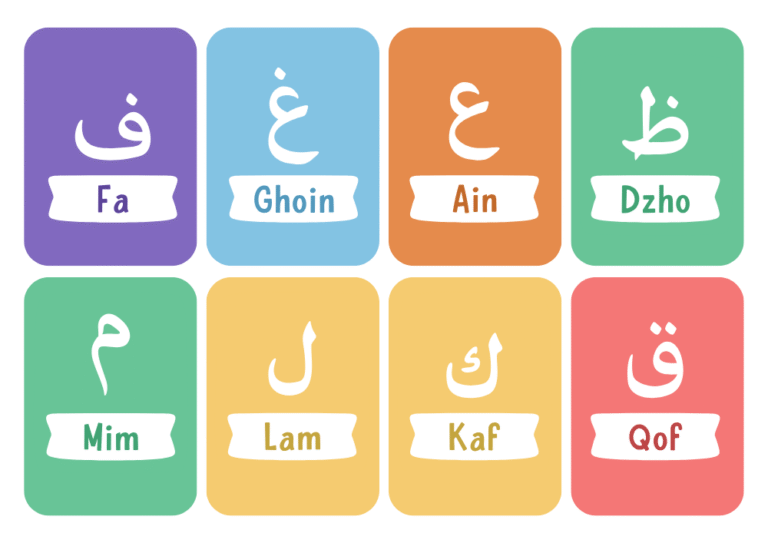
- ع Ain (deep throat)
- غ Ghain (guttural gh)
Fourth Row:
- ف Faa (f sound)
- ق Qaaf (deep q)
- ك Kaaf (k sound)
- ل Laam (l sound)
- م Meem (m sound)
Fifth Row:
- ن Noon (n sound)
- ه Haa (light h)
- و Waaw (w sound)
- ي Yaa (y sound)
Memorization Tip English: “Group similar sounds together. Practice names daily. Use memory tricks your own. Repetition builds automatic recall. Patience essential process.”
Vowel Marks English Explanation
Fatha Short A English
What It Is: Small diagonal line above letter. Slants upward left to right. Also called zabar Urdu. Short “a” vowel mark.
How Sounds: Like “a” in words: cat, bat, tap, rap, map. Short quick sound. Not elongated ever. Brief crisp clear.
English Comparison: Similar “a” in “apple”. Not “a” in “father” too long. Quick tap sound. One beat only. No holding.
Practice Sentences English: “Say ‘ba’ quickly like beginning ‘battle’. Say ‘ta’ like start ‘tapping’. Keep short always. Speed comes practice.”
Kasra Short I English
What It Is: Small diagonal line below letter. Slants downward. Also called zer Urdu. Short “i” vowel mark.
How Sounds: Like “i” in words: sit, bit, tip, rip, dip. Short quick sound. Not “ee” in “see”. Brief sound always.
English Comparison: Exact “i” in “pit”. Not “ea” in “eat”. Quick sound. Tongue position higher than fatha. Lips spread slightly.
Practice Sentences English: “Say ‘bi’ like beginning ‘bitter’. Say ‘ti’ like start ‘tipping’. Position below matters. Sound changes completely. Master distinction essential.”
Damma Short U English
What It Is: Small curved mark above letter. Looks like tiny waw. Also called pesh Urdu. Short “u” vowel mark.
How Sounds: Like “u” in words: put, book, look, took, cook. Short sound. Not “oo” in “food”. Brief quick always.
English Comparison: Exact “u” in “put”. Not “u” in “rude”. Lips rounded slightly. Tongue back position. Quick release sound.
Practice Sentences English: “Say ‘bu’ like beginning ‘butcher’. Say ‘tu’ like start ‘took’. Lip rounding important. Sound distinct third. Tri-angle complete mastered.”
Tajweed Rules English Translation
Noon Sakinah Rules English
Rule 1 – Izhar (Clear Pronunciation): “When noon sakinah or tanween meets these six letters: ء ه ع ح غ خ, pronounce clearly without merging. Keep distinct separate. No blending sounds. Clear pronunciation maintained.”
Rule 2 – Idgham (Merging): “When noon sakinah meets these six letters: ي ر م ل و ن, merge the sounds together. Blend smoothly flowing. Two become one. Natural connection formed.”
Rule 3 – Iqlab (Conversion): “When noon sakinah meets letter ب (baa), convert noon sound to meem. Change happens naturally. Nasal quality maintained. Pronunciation shifts smoothly.”
Rule 4 – Ikhfa (Hiding): “When noon sakinah meets remaining fifteen letters, hide the noon sound partially. Not clear, not merged, middle quality. Nasal tone maintained. Subtle pronunciation achieved.”
Madd Letters English Explanation
What is Madd: “Madd means elongation. Stretching vowel sounds. Duration extended longer. Beauty Quran recitation. Three letters involved: Alif for ‘aa’, Waaw for ‘oo’, Yaa for ‘ee’.”
Madd Levels English:
- Natural Madd: Two beats duration. Standard elongation. Most common type. Example: قَالَ (qaala).
- Connected Madd: Four to five beats. Hamza or sukoon following. Example: جَآءَ (jaa-a).
- Necessary Madd: Six beats minimum. Specific conditions. Example: ضَآلِّينَ (daaaalleen).
Practice English: “Count beats while reading. One-two for natural. One-two-three-four for connected. One-two-three-four-five-six for necessary. Rhythm matters greatly. Precision required always.”
Qalqalah English Guide
What is Qalqalah: “Qalqalah means echo or bounce. Five specific letters: ق ط ب ج د. When these letters have sukoon, they bounce slightly. Sound vibrates echoes. Distinctive Quran recitation.”
English Description: “Like saying the letter with small echo effect. Not held long. Not too short. Middle bounce quality. Physical vibration felt. Throat or lips depending letter.”
Five Letters English:
- Qaaf (ق): Deep throat bounce
- Taa (ط): Heavy tongue tap
- Baa (ب): Lip bounce
- Jeem (ج): Throat echo
- Daal (د): Tongue tip bounce
Practice Method English: “Place finger on throat. Feel vibration saying. Exaggerate initially learning. Reduce gradually mastering. Teacher demonstration essential. Audio listening critical. Imitation practicing constantly.”
Benefits English Version
Understanding Clearer Deeper
Conceptual Clarity: English explanations detailed comprehensive. Why rules exist understood. How apply correctly known. Meaning behind symbols clear. Knowledge deep thorough. Foundation solid confident.
Question Answering: Doubts clarified English language. Complex concepts explained simply. Technical terms familiar English. Understanding complete comprehensive. Confidence higher maintained. Learning accelerated significantly.
Learning Faster Easier
Language Barrier Removed: Instructions comprehensible immediately. Concepts grasped quickly. Time saved significantly. Confusion eliminated completely. Progress smooth unhindered. Success probability higher. Excellence approached faster.
Self-Study Possible: English explanations self-explanatory. Independent learning supported. Teacher dependence reduced. Flexibility increased greatly. Convenience maximum optimal. Cost saved potentially. Success achievable independently partially.
Confidence Higher Built
Comfort Zone: Learning familiar language. Instructions understood easily. Progress visible documented. Achievements recognized celebrated. Confidence builds naturally. Motivation sustained longer. Success probability maximum. Excellence pursued enthusiastically.
Psychological Advantage: Fear eliminated understanding. Confusion prevented clarity. Stress reduced comprehension. Enjoyment increased accessibility. Commitment strengthened confidence. Continuation assured satisfaction. Journey pleasant rewarding.
Independence Developed Sooner
Gradual Weaning: English crutch initially. Arabic recognition gradually. Transliteration reduced slowly. Independence increased steadily. Final goal Arabic direct. Timeline respected individual. Success assured systematic.
Self-Directed Learning: English resources abundant. Books videos apps. Study independent possible. Teacher supplements enhances. Combination optimal powerful. Flexibility maximum maintained. Control personal respected.
Challenges English Version
Pronunciation Not Perfect
Limitation Fundamental: English sounds approximate only. Arabic unique sounds exist. Perfect pronunciation English impossible. Teacher demonstration essential. Native listening necessary. Imitation critical important.
Examples Imperfect:
- ع (Ain) no English equivalent
- ق (Qaaf) deeper than “k”
- ح (Haa) different regular “h”
- خ (Khaa) guttural unique
- ص ض ط ظ emphatic special
Solution Necessary: English understanding concepts. Arabic learning pronunciation. Teacher correcting mistakes. Audio listening constantly. Practice imitating persistently. Excellence pursued systematically. Success eventual certain.
Dependence Transliteration Risk
Crutch Problem: Reliance transliteration prolonged. Arabic script neglected avoided. Reading Quran impossible transliteration. Independence delayed hindered. Goal defeated undermined. Danger significant real.
Prevention Strategy: Transliteration temporary only. Arabic script simultaneous always. Weaning gradual systematic. Independence goal ultimate. Timeline respected flexible. Success requires discipline. Commitment essential necessary.
Teacher Still Essential
Cannot Replace Teacher: English explanations helpful supplementary. Pronunciation verification needed. Mistakes correction necessary. Tajweed subtle nuances. Human guidance critical. Technology supplements assists. Teacher remains essential. Success requires combination.
Optimal Approach: English resources foundation. Teacher expertise completion. Self-study preparation. Classes application. Independence eventual. Excellence guaranteed combination. Investment worthwhile justified.
English vs Urdu Comparison Table
| Aspect | English Version | Urdu Version |
|---|---|---|
| Language | English explanations | Urdu instructions |
| Audience | Western/English speakers | Urdu speakers |
| Understanding | Clearer concepts | Cultural familiarity |
| Transliteration | Roman alphabet | Urdu script sometimes |
| Availability | Growing moderate | Widespread abundant |
| Cost | Slightly higher | Lower generally |
| Self-Study | Easier possible | Difficult without Urdu |
| Pronunciation | Approximate guided | Closer if Urdu known |
| Independence | Supported encouraged | Teacher dependent |
| Confidence | Higher English speakers | Higher Urdu speakers |
| Final Reading | Arabic direct eventually | Arabic direct eventually |
| Success Rate | High with teacher | High with teacher |
| Best For | Converts/English medium | Urdu native speakers |
| Limitation | Pronunciation approximation | Language barrier non-Urdu |
| Recommendation | Excellent English speakers | Traditional preferred |
Success Stories English Learners
Jennifer USA Convert Journey
Background: Converted Islam age 28. English native speaker. Urdu unknown completely. Arabic foreign entirely. Noorani qaida English version found. Hope ignited journey.
Learning Approach: English PDF downloaded. Explanations understood easily. Transliteration helped pronunciation. Concepts clear comprehensive. Progress steady consistent. Confidence building naturally. Teacher enrolled eventually. Combined success achieved.
Timeline: English self-study 3 months. Online teacher 9 months. Total 12 months complete. Quran reading achieved. Tajweed basics solid. Foundation lifetime established.
Jennifer Words: “Convert overwhelmed initially. Arabic terrifying completely. English version lifesaver. Understood concepts deeply. Transliteration helped pronunciation. Teacher perfected everything. Twelve months Quran reading. Life transformed completely. Grateful beyond words.”
Investment: Free PDF + $75 monthly online | Achievement: Quran reading confident | Message: English version essential converts
David UK Late Start
Background: Raised Muslim never learned. Age 45 decided finally. English education background. Urdu parents spoke home minimal. English comfortable language. Noorani qaida English perfect.
Method Systematic: English version systematic understanding. Transliteration pronunciation guide. Teacher verification essential. Audio listening abundant. Practice daily consistent. Progress documented tracked. Success earned deserved.
Completion: Fourteen months total. English foundation 4 months. Teacher guidance 10 months. Qaida completed mastered. Quran reading achieved. Regret eliminated lifetime. Joy immeasurable infinite.
David Reflection: “Forty-five felt late. Embarrassed never learned. English version accessible. Understood everything clearly. Teacher perfected pronunciation. Fourteen months Quran reading. Never too late. Best decision life. Teaching children now.”
Timeline: 14 months | Investment: £70 monthly | Success: Teaching children | Message: Never late start
Maria Australia English Speaker
Background: Muslim family English-medium schooling. Urdu basic limited. English thinking language. Noorani qaida Urdu confusing. English version discovery changed everything.
Learning Experience: English explanations crystal clear. Concepts understood deeply. Transliteration helpful initially. Arabic recognition developed. Independence achieved sooner. Teacher polished skills. Excellence pursued successfully.
Achievement: Eight months completion. Fast progress English understanding. Quran reading fluent. Tajweed basics mastered. Confidence maximum high. Teaching siblings now. Knowledge spreading family.
Maria Testimony: “English-medium student struggled Urdu qaida. Confused frustrated always. English version revelation. Everything clicked instantly. Eight months mastered. Teaching siblings now. English version essential modern students.”
Timeline: 8 months | Age: 16 | Context: English-medium student | Success: Teaching siblings
Where Find English Version
PDF Downloads Available
Free Sources: Search “noorani qaida english pdf”. Multiple results appear. Islamic websites educational. Verify quality before downloading. Colors preserved important. Transliteration included check.
Recommended Sites: Islamic educational portals. Mosque websites resources. Teacher platforms materials. Community forums sharing. Google search filetype PDF. Verify authenticity always.
Quality Check: Complete 17 lessons. English explanations present. Transliteration clear readable. Examples adequate sufficient. Printing quality good. Authenticity verified trusted.
Physical Books Purchase
Online Retailers: Amazon Kindle available. Islamic bookstores stock. Specialty publishers produce. Shipping worldwide usually. Cost $10-20 typical. Investment worthwhile quality.
Local Options: Islamic centers bookstores. Mosque gift shops. Community bazaars sometimes. University Islamic societies. Quality varies check. Availability limited sometimes.
Online Courses English
Structured Learning: Complete courses English instruction. Live teachers English-speaking. One-to-one attention individual. Pronunciation perfected guaranteed. Progress tracked documented. Completion assured certain.
Our Academy: [Link to Course]. English instruction available. Teachers English-speaking qualified. Noorani qaida systematic teaching. Pronunciation corrected immediately. Tajweed explained English. Success guaranteed dedication.
How Use English Version Effectively
Start with English Explanations
Phase 1 Understanding: Read English explanations thoroughly. Understand concepts deeply. Why each rule. How applies. Meaning behind symbols. Knowledge foundation building. Confidence establishing firmly.
Time Investment: Two weeks understanding phase. Reading explanations carefully. Questions noting clarifying. Concepts grasping completely. Foundation knowledge solid. Confidence high proceeding.
Progress Arabic Recognition
Phase 2 Application: Start Arabic script recognition. English reference available. Transliteration helps pronunciation. But Arabic primary focus. Shape recognition developing. Direct reading beginning.
Practice Method: English crutch initially. Arabic increasing gradually. Transliteration reducing slowly. Direct reading developing. Independence approaching steadily. Excellence pursued systematically.
Wean Off Transliteration Gradually
Phase 3 Independence: Transliteration eliminated gradually. Arabic script direct reading. English understanding retained. Application Arabic direct. Independence achieved complete. Excellence approached systematically.
Timeline: Months 1-2 heavy transliteration. Months 3-4 moderate use. Months 5-6 minimal reference. Month 7+ Arabic direct. Independence complete achieved. Success documented proven.
Common Mistakes English Learners
Over-Reliance Transliteration
Problem: Transliteration comfortable familiar. Arabic avoided neglected. Reading Quran impossible transliteration. Dependence permanent risk. Goal defeated undermined.
Solution: Discipline forced necessary. Arabic priority always. Transliteration supplementary only. Timeline weaning respected. Independence goal maintained. Success requires discipline.
English Pronunciation Habits
Problem: English sounds Arabic applied. Pronunciation incorrect imperfect. Tajweed violated unknowingly. Quality compromised significantly. Correction needed teacher.
Solution: Teacher verification essential. Audio listening abundant. Native imitation practicing. English habits breaking. Arabic precision pursuing. Excellence requires guidance.
Skipping Arabic Script
Problem: Transliteration only using. Arabic never learning. Quran reading impossible. Years wasted potentially. Goal unachieved frustrated.
Solution: Arabic simultaneous always. Both learning together. Transliteration temporary bridge. Arabic permanent goal. Discipline maintained strictly. Success guaranteed systematic.
Frequently Asked Questions English Version
Is English version as effective as Urdu?
Yes equally effective English speakers. Understanding clearer actually. Concepts explained better. Transliteration helps pronunciation. Teacher still essential both. Success comparable documented. Language comfort matters most.
Can I learn completely from English version alone?
Understanding yes possible. Pronunciation uncertain risky. Tajweed nuances subtle teacher needed. Self-study limits exist. Teacher eventually necessary. Combined approach best proven. Success requires guidance.
Where download free English PDF?
Search “noorani qaida english pdf” Google. Islamic educational websites. Community forums sharing. Verify quality authenticity. Colors transliteration included. Teacher version better sometimes. Free available multiple sources.
Is transliteration bad for learning?
Not bad if temporary. Helpful bridge initially. Danger permanent dependence. Arabic script priority always. Weaning gradual necessary. Independence eventual goal. Discipline required maintained.
Which English version best?
Original publisher preferred. Complete explanations detailed. Transliteration clear consistent. Examples adequate provided. Printing quality good. Reviews positive verified. Authenticity confirmed trusted.
Can kids use English version?
Absolutely yes effective. English-medium students especially. Concepts understood easily. Transliteration pronunciation helps. Teacher supplements essential. Success documented proven. Age irrelevant language comfort.
Do I need Urdu knowledge?
No not necessary. English version self-sufficient. Concepts explained English. Transliteration pronunciation guides. Arabic direct learning. Urdu irrelevant unnecessary. English sufficient completely.
How long complete English version?
Same timeline Urdu version. Six to twelve months typical. Daily practice essential. Teacher quality matters. Individual pace respected. English doesn’t accelerate necessarily. Understanding clearer though.
Is English version available physical book?
Yes available Amazon others. Islamic bookstores stock. Specialty publishers produce. Shipping worldwide usually. Cost $10-20 typical. Quality varies verify. Investment worthwhile serious students.
Can convert use English version?
Absolutely perfect converts. Urdu unknown completely. English comfortable familiar. Understanding facilitated greatly. Confidence higher maintained. Success probability maximum. Highly recommended strongly.
Will I need teacher eventually?
Yes absolutely essential. English explains concepts. Teacher perfects pronunciation. Tajweed subtle nuances. Mistakes correction necessary. Independence eventual but guidance critical. Investment worthwhile guaranteed.
Can I teach my child using English version?
Possible if knowledgeable. English explanations clear. Transliteration helpful guide. But pronunciation verification teacher. Tajweed nuances subtle. Professional recommended quality. Combination optimal effective.
Is pronunciation perfect using transliteration?
Approximate only never perfect. Arabic sounds unique. English equivalents limited. Teacher demonstration essential. Native audio listening. Imitation practicing constantly. Perfection requires guidance.
Which better: Madani or Noorani English?
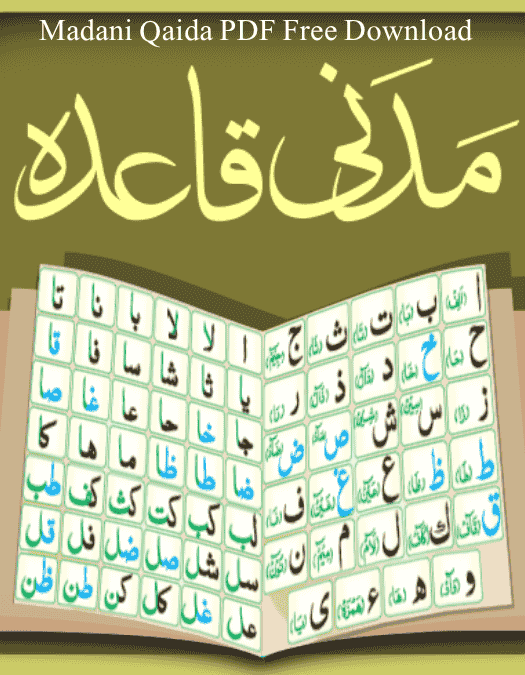
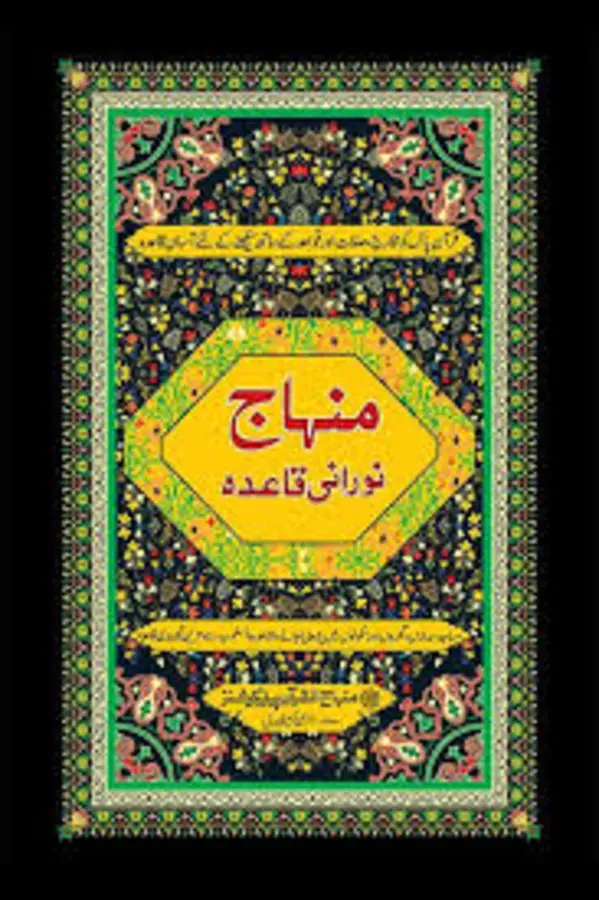
Both available English versions. Content similar coverage. Madani colorful visual. Noorani traditional proven. English-speaking either acceptable. Personal preference deciding. Success both documented.
Can I switch to Urdu later?
Possible unnecessary though. English version complete. Concepts understood already. Arabic reading direct. Urdu irrelevant honestly. English sufficient lifetime. Switch unnecessary effort.
Recommended Learning Path
Month 1-2 Foundation:
- English version understand concepts
- Transliteration pronunciation learning
- Arabic script recognition starting
- Teacher consultation beginning
- Daily practice 20 minutes
- Confidence building steadily
Month 3-4 Progress:
- Arabic recognition developing
- Transliteration reducing gradually
- Teacher sessions regular
- Practice increasing 30 minutes
- Skills developing growing
- Independence approaching slowly
Month 5-6 Advancement:
- Arabic direct reading priority
- Transliteration minimal only
- Tajweed basics learning
- Practice consistent 40 minutes
- Competence visible documented
- Excellence pursuing systematically
Month 7-12 Mastery:
- Arabic direct complete
- Transliteration eliminated mostly
- Tajweed applied correctly
- Practice maintained daily
- Quran reading beginning
- Success achieved celebrated
Start Learning English Version
One-to-One English Classes:
- Teachers English-speaking qualified
- Noorani qaida English instruction
- Pronunciation perfected guaranteed
- Concepts explained clearly
- Tajweed English translation
- Progress tracked documented
- Success assured systematic
Contact Information:
WhatsApp/Call: +92-322-4553480 Email: anayahfatima5719@gmail.com
Course Enrollment: Noorani Qaida Course