Noorani Qaida Lesson 3 | Kasra Vowel Mastery
Noorani qaida lesson 3 introduces second vowel mark advancing Arabic reading skills significantly. Lesson 2 taught fatha (zabar) successfully. Short “a” sound mastered. Reading started. Now kasra (zer) adds dimension. Short “i” sound. Underneath letter. Different position. New pronunciation. Skills expanding.
This critical lesson builds upon previous foundation. Twenty-eight letters known. Fatha reading automatic. Kasra introduces variety. Same letters different sounds. Flexibility developing. Quran reading approaching. Complexity manageable. Progress visible.
Understanding noorani qaida lesson 3 thoroughly ensures continued success. Pattern established lesson 2. Kasra follows identically. Position different. Sound different. Learning method same. Confidence high. Mastery certain. Progress accelerating.
Whether young child or adult learner, lesson 3 reinforces systematic approach. Four to six days typical completion. Daily practice essential. Previous lessons retained. New skills added. Foundation strengthening. Quran reading inevitable.
Reading Time: 18 minutes Skill Level: Post Lesson 2 Prerequisites: Lesson 1 and 2 completed Practice Required: 15-20 minutes daily Completion Time: 4-6 days typical
Understanding Kasra Vowel Complete
What is Kasra Exactly
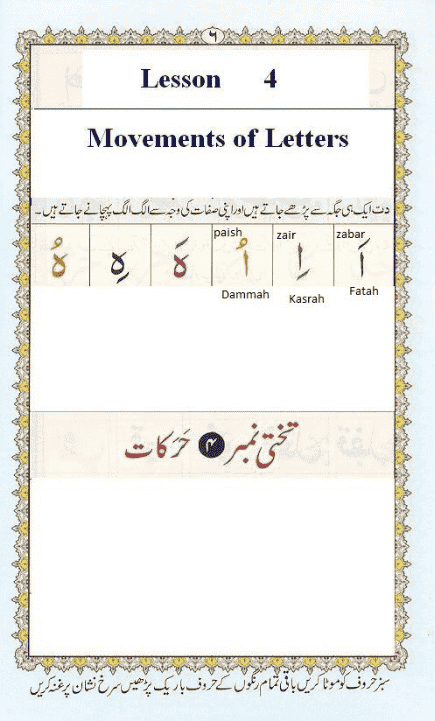
Kasra represents short “i” vowel Arabic. Diagonal mark underneath letter. Left top to right bottom. Small line. Opposite fatha position. Significant difference. Sound completely different. Understanding critical.
Urdu speakers call it zer. Same concept. Short “i” sound. Like “i” in “sit” English. Brief quick. Not elongated. Crisp distinct. Essential pronunciation.
Visual Difference:
- Fatha above: بَ (ba – short “a”)
- Kasra below: بِ (bi – short “i”)
- Position opposite. Sound different. Recognition essential.
Why Kasra Taught Second
Second Most Common: Arabic kasra appears frequently. Quran verses abundant. Learning order logical. Exposure building. Practice opportunities.
Pattern Reinforcement: Lesson 2 method established. Kasra follows pattern. Concept familiar. Execution different. Learning accelerated. Confidence maintained.
Vowel Variety: Reading flexibility requires multiple vowels. Fatha alone insufficient. Kasra adds dimension. Combination coming. Quran preparation advancing.
Systematic Building: Master one vowel completely. Add next systematically. Confusion prevented. Foundation solid. Progress measured. Success guaranteed.
Kasra Visual Appearance
Shape: Small diagonal line. Slanting mark. Left upper to right lower. Underneath letter always. Never above. Clear distinction.
Color PDFs: Often green colored. Visual differentiation fatha red. Kasra green. Easy identification. Children engaged. Recognition quick.
Black-White: Still visible clearly. Position distinguishes. Below letter always. Contrast sufficient. Recognition developed. Learning effective.
Handwriting: Diagonal stroke underneath. Quick motion. Left to right downward. Practice needed. Consistency developed. Writing automatic.
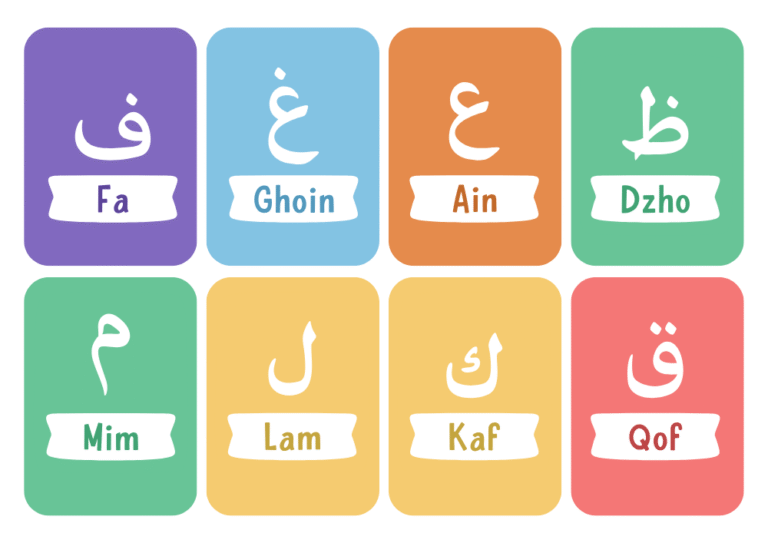
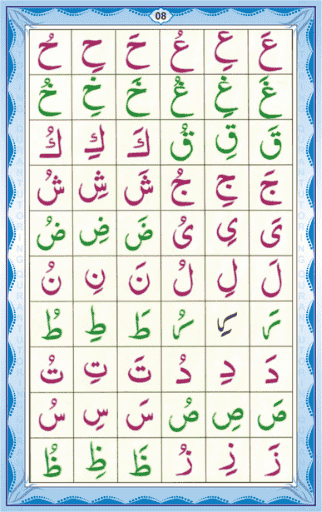
Complete Letter-by-Letter Breakdown Lesson 3
First Row Letters with Kasra
- أِ (alif with kasra): First letter. Pure “i” sound. Throat opening. Short vowel. Like “i” in “it”. Clear pronunciation. Foundation establishing.
- بِ (bi with kasra): Lips together. Release with “i”. Sound “bi” like “bit” beginning. Distinct from بَ (ba). Comparison important. Difference clear.
- تِ (ti with kasra): Tongue tip teeth. Hard “t” plus “i”. Like “ti” in “tip”. Clear pronunciation. Practice comparing تَ (ta) vs تِ (ti). Distinction automatic.
- ثِ (thi with kasra): Tongue between teeth. “Th” sound plus “i”. Like “thi” in “think”. Different from ثَ (tha). Position same. Vowel different. Recognition developing.
- جِ (jeem with kasra): Deep throat “j” plus “i”. Like “ji” in “jig”. Comparison جَ (ja) necessary. Sound difference. Understanding deepening.
- حِ (hi with kasra): Throat breathy “h” plus “i”. Distinct pronunciation. Different regular h. Comparison حَ (ha) helpful. Practice necessary.
- خِ (khi with kasra): Guttural throat “kh” plus “i”. Difficult sound. Practice abundant. Comparison خَ (kha). Difference noting. Mastery gradual.
Second Row Letters with Kasra
- دِ (di with kasra): Tongue tip palate. Hard “d” plus “i”. Like “di” in “dig”. Compare دَ (da). Sound change. Position same. Vowel different.
- ذِ (dhi with kasra): Tongue between teeth. “Th” voiced plus “i”. Like “thi” in “this”. Compare ذَ (dha). Distinction clear. Practice reinforces.
- رِ (ri with kasra): Flipped “r” plus “i”. Like “ri” in “rip”. Spanish-like. Compare رَ (ra). Beautiful sound. Practice produces.
- زِ (zi with kasra): Buzzing “z” plus “i”. Like “zi” in “zip”. Simple pronunciation. Compare زَ (za). Easy distinction. Quick mastery.
- سِ (si with kasra): Whistling “s” plus “i”. Like “si” in “sit”. Clear sound. Compare سَ (sa). Common letter. Practice abundant.
- شِ (shi with kasra): “Sh” sound plus “i”. Like “shi” in “ship”. Similar English. Compare شَ (sha). Easy pronunciation. Quick learning.
- صِ (saad with kasra): Heavy “s” plus “i”. Emphatic pronunciation. Compare صَ (sa). Tongue position. Sound quality. Practice necessary.
Third Row Letters with Kasra
- ضِ (di emphatic with kasra): Heavy “d” plus “i”. Unique Arabic. Compare ضَ (da). Emphatic distinction. Practice intensive.
- طِ (ti emphatic with kasra): Heavy “t” plus “i”. Different from تِ (ti light). Comparison essential. Sound quality. Tongue position. Excellence pursuing.
- ظِ (dhi emphatic with kasra): Heavy “th” plus “i”. Emphatic voiced. Compare ظَ (dha). Practice necessary. Teacher guidance. Mastery gradual.
- عِ (ain with kasra): Throat constriction “i”. Unique Arabic. No English equivalent. Compare عَ (a’a). Deep throat. Practice produces. Native listening.
- غِ (ghi with kasra): Guttural “gh” plus “i”. Like French “r”. Compare غَ (gha). Practice required. Teacher demonstrates. Understanding develops.
Fourth Row Letters with Kasra
- فِ (fi with kasra): “F” sound plus “i”. Like “fi” in “fit”. Simple pronunciation. Compare فَ (fa). Easy mastery. Confidence immediate.
- قِ (qi with kasra): Deep throat “q” plus “i”. Unique Arabic. Compare قَ (qa). Back throat. Emphatic sound. Practice necessary.
- كِ (ki with kasra): “K” sound plus “i”. Like “ki” in “kit”. Clear pronunciation. Compare كَ (ka). Simple production. Quick mastery.
- لِ (li with kasra): “L” sound plus “i”. Tongue tip palate. Like “li” in “lip”. Compare لَ (la). Common letter. Practice abundant.
- مِ (mi with kasra): “M” sound plus “i”. Lips together. Nasal resonance. Like “mi” in “mitt”. Compare مَ (ma). Universal sound. Easy recognition.
Fifth Row Letters with Kasra
- نِ (ni with kasra): “N” sound plus “i”. Tongue tip palate. Like “ni” in “nip”. Compare نَ (na). Simple pronunciation. Quick learning.
- هِ (hi with kasra): Breathy “h” plus “i”. Light throat. Like “hi” in “hit”. Compare هَ (ha). Different from حِ. Practice distinguishes.
- وِ (wi with kasra): “W” sound plus “i”. Lips rounded. Like “wi” in “wit”. Compare وَ (wa). Simple production. Easy mastery.
- يِ (yi with kasra): “Y” sound plus “i”. Like “yi” in “yield”. Compare يَ (ya). Simple pronunciation. Final letter. Completion celebration.
Step-by-Step Learning Method Lesson 3
Day 1: First Row with Review
Morning Session (20 minutes):
- Quick fatha review (5 minutes)
- Introduce kasra concept
- Demonstrate position difference
- Practice first seven letters kasra
- أِ بِ تِ ثِ جِ حِ خِ
- Slow careful pronunciation
- Compare fatha kasra each
- Record yourself
Comparison Practice:
- بَ (ba) vs بِ (bi)
- تَ (ta) vs تِ (ti)
- Sound differences noting
- Position recognition
- Automatic switching
Afternoon Review (15 minutes):
- Random fatha kasra mixed
- First row only
- Quick recognition
- Accurate pronunciation
- Confidence building
Evening Consolidation (10 minutes):
- Listen teacher audio
- Compare recordings
- Self-correction
- Practice weak areas
- Celebrate progress
Day 1 Goal: First row kasra automatic. Fatha kasra distinguished. Mixed reading comfortable. Confidence maintained. Progress visible.
Day 2: Second Row Addition
Morning Learning (20 minutes):
- Quick review first row
- Add second row kasra
- دِ ذِ رِ زِ سِ شِ صِ
- Pronunciation practice
- Fatha comparison each
- Recognition developing
Mixed Vowel Practice (15 minutes):
- First second rows combined
- Fatha kasra random
- Fourteen letters both vowels
- Quick recognition challenge
- Accuracy maintaining
Pattern Recognition:
- Same letter different vowels
- سَ (sa) سِ (si) comparison
- Sound change noting
- Flexibility developing
- Skills expanding
Afternoon Intensive (15 minutes):
- Speed building
- Random pointing
- Fatha kasra mixed
- Quick response
- Accuracy checking
Evening Mastery (10 minutes):
- Both rows fluent
- Both vowels automatic
- Teacher audio comparison
- Weak areas practicing
- Excellence pursuing
Day 2 Goal: Two rows mastered. Both vowels comfortable. Random access working. Speed developing. Confidence high.
Day 3: Third Row Integration
Morning Addition (20 minutes):
- Review fourteen letters
- Add third row kasra
- ضِ طِ ظِ عِ غِ
- Heavy letters attention
- Throat sounds practice
- Both vowels comparing
Heavy Letter Focus:
- صِ vs سِ distinction
- طِ vs تِ difference
- Emphatic pronunciation
- Quality attention
- Teacher guidance
Afternoon Practice (20 minutes):
- Twenty letters both vowels
- Random mixed practice
- Challenging sounds extra
- Repetition abundant
- Improvement visible
Evening Consolidation (15 minutes):
- Complete practice
- Difficult sounds focused
- Recording comparison
- Progress documenting
- Encouragement feeling
Day 3 Goal: Twenty letters mastered. Heavy light distinguished. Both vowels comfortable. Challenge accepted. Progress continuing.
Day 4: Complete Alphabet Both Vowels
Morning Completion (25 minutes):
- Review twenty letters
- Add final eight kasra
- فِ قِ كِ لِ مِ نِ هِ وِ يِ
- Complete alphabet coverage
- Both vowels all letters
- Foundation comprehensive
Intensive Mixed Practice:
- All twenty-eight letters
- Fatha kasra random
- Quick recognition
- Accurate pronunciation
- Speed building
- Confidence soaring
Afternoon Speed Building (20 minutes):
- Timed reading
- Both vowels mixed
- Accuracy maintained
- Speed comfortable
- Excellence pursuing
Evening Assessment Preparation (15 minutes):
- Teacher pointing random
- Student responding immediate
- Both vowels automatic
- Recognition instant
- Mastery approached
Day 4 Goal: All letters both vowels. Random access automatic. Speed comfortable. Accuracy excellent. Success visible.
Day 5-6: Consolidation and Excellence
Consolidation Focus:
- Random mixed practice
- Speed comfortable building
- Accuracy perfecting
- Confidence solidifying
- Excellence achieving
Assessment Preparation:
- Teacher evaluation
- Random testing
- Both vowels automatic
- Recognition instant
- Pronunciation correct
Lesson 4 Preparation:
- Damma introduction preview
- Third vowel coming
- Pattern continuing
- Confidence high
- Readiness certain
Practice Exercises Complete Lesson 3
Exercise 1: Vowel Switching Drill
Setup: Write pairs same letter both vowels. Example: بَ بِ تَ تِ ثَ ثِ. All twenty-eight letters.
Practice Method:
- Read بَ (ba) then بِ (bi)
- Notice sound change
- Feel mouth position
- Switch smoothly
- Repeat pattern
Purpose: Flexibility developing. Vowel recognition. Sound distinction. Automatic switching. Excellence building.
Progression:
- Start slow careful
- Speed increasing gradually
- Accuracy maintaining
- Automaticity achieving
- Mastery confirming
Exercise 2: Random Mixed Recognition
Teacher/Parent Role: Point random letter random vowel. Example: صِ or شَ or ثِ. Complete randomness. No pattern.
Student Response: Immediate recognition. Quick pronunciation. No hesitation. Accurate sound. Automatic response.
Difficulty Levels:
- Level 1: Slow pointing familiar letters
- Level 2: Medium speed all letters
- Level 3: Rapid pointing challenge
- Level 4: Competition timed fastest
Goal: Recognition automatic. Both vowels instant. Speed comfortable. Accuracy perfect. Confidence complete.
Exercise 3: Audio Matching Both Vowels
Method: Teacher plays audio. Example sound: “ti” or “ta”. Student identifies. Points correct combination. تِ or تَ. Visual audio connection.
Variation: Student produces sound. Teacher identifies. Role reversal. Confidence building. Understanding deepening. Skills reinforcing.
Benefit: Ear training. Sound discrimination. Vowel differentiation. Audio visual linking. Mastery accelerating.
Exercise 4: Writing Practice Kasra
Activity: Student writes letters kasra marks. Underneath positioning. Correct placement. Clear visibility. Hand-eye coordinating.
Quality Focus:
- Kasra position below
- Mark clear visible
- Consistency maintained
- Neatness valued
- Pride developed
Additional: Compare fatha above kasra below. Position distinction. Visual memory. Motor skills. Connection deepening.
Exercise 5: Speed Reading Both Vowels
Setup: All letters mixed vowels. Timed reading. Two minutes maximum. Count correct pronunciations. Track progress daily.
Tracking System:
- Day 1 baseline
- Daily improvement
- Chart progress
- Motivation increasing
- Excellence celebrating
Goal: Speed building. Accuracy maintaining. Progress visible. Confidence soaring. Mastery approaching.
Common Mistakes and Solutions Lesson 3
Mistake 1: Fatha Kasra Position Confusion
Problem: Kasra written above. Fatha written below. Position critical. Sound depends position. Reversal common beginners. Confusion frequent.
Example Error: Writing بِ but reading as بَ. Or vice versa. Position ignored. Sound wrong. Reading incorrect.
Solution:
- Fatha always above. Red colored often. Upward diagonal.
- Kasra always below. Green colored often. Downward diagonal.
- Color coding helpful
- Position drilling
- Visual distinction
- Automatic recognition
Practice Method: Mixed cards fatha kasra. Position identifying first. Then sound producing. Sequence establishing. Accuracy developing.
Mistake 2: English “ee” Instead Short “i”
Problem: Kasra short vowel. Like “i” in “sit”. Beginners say “bee” instead “bi”. Long vowel error. Duration wrong. Tajweed violation.
Example Error: Reading بِ as “bee” (elongated). Should be “bi” (brief). Duration critical. Quality affected.
Solution:
- Short sharp sound
- Quick release
- No elongation
- Metronome practice
- Duration control
- Audio comparison
- Teacher correction
Practice Drill: Side-by-side comparison. Long “ee” vs short “i”. Feel difference. Hear distinction. Produce correctly. Habit forming.
Mistake 3: Mixing Fatha and Kasra Sounds
Problem: Read fatha sound kasra letter. Or opposite. بَ read as “bi”. بِ read as “ba”. Visual recognition weak. Sound production automatic wrong.
Example: Seeing تِ but saying “ta”. Or seeing تَ but saying “ti”. Position ignored. Sound guessed. Accuracy lost.
Solution:
- Slow careful reading
- Position checking first
- Above means fatha
- Below means kasra
- Then sound producing
- Accuracy before speed
- Excellence pursuing
Correction Drill: Point letter. Student says position first (“above” or “below”). Then produces sound. Position awareness. Sound accuracy. Habit forming.
Mistake 4: Similar Letters Still Confused
Problem: ب ت ث confusion continues. Different vowels adds complexity. بِ تِ ثِ look similar. Recognition challenging. Mistakes frequent.
Solution Reinforced:
- Exaggerated dot writing
- Color coding dots different
- Flashcard isolation practice
- Both vowels each letter
- Pattern recognition
- Distinction automatic
Practice Method: Cards only similar letters both vowels. بَ بِ تَ تِ ثَ ثِ. Recognition drilling. Dot counting. Sound producing. Confusion eliminating.
Mistake 5: Throat Letters Kasra Harder
Problem: حِ خِ عِ غِ throat letters kasra more difficult than fatha. Tongue position. Throat constriction. Vowel combination challenging.
Why Harder: Throat letters require specific positioning. Kasra “i” sound tongue higher. Combination unusual. Non-native speakers struggle. Practice necessary.
Solution:
- Exaggerated practice
- Mirror watching
- Throat feeling
- Teacher demonstrating
- Audio comparing
- Repetition abundant
- Patience essential
- Mastery gradual
Pronunciation Guide Kasra Detailed
Mouth Position for Kasra
Jaw: Slightly less dropped than fatha. Opening smaller. More closed. Natural position. Comfortable feeling. “I” sound position.
Tongue: Higher than fatha. Closer palate. Tip behind teeth. Not touching. Ready position. Flexible movement. “I” pronunciation.
Lips: Slightly spread. Not rounded. Gentle stretch. Natural position. “I” sound formation. Clear production.
Comparison Fatha:
- Fatha: Mouth more open. Tongue lower. “A” sound.
- Kasra: Mouth less open. Tongue higher. “I” sound.
- Difference feeling. Position noting. Sound changing.
Breathing Technique Same
Breath Control: Diaphragm breathing continues. Deep support. Consistent airflow. Sound sustained. Clarity maintained. Fatigue prevented.
Duration: Same as fatha. Brief quick. One beat only. Short vowel. No elongation. Crisp sound. Quality maintained.
Sound Comparisons English
English “Sit”: Short “i” exact match. Kasra sound. Quick vowel. Not elongated. Perfect reference. Practice comparing.
English “Seat”: Too long. Vowel elongated. Kasra shorter. Duration different. Comparison teaching. Understanding deepening.
Urdu Zer: Exact equivalent. Same sound. Different name. Urdu speakers familiar. Transfer knowledge. Learning accelerated. Confidence immediate.
Student Success Stories Lesson 3
Omar Age 7 Manchester
- Background: Lesson 2 completed smoothly. Fatha mastered. Confidence high. Excited lesson 3. Kasra new concept.
- Day 1 Experience: Position difference confusing initially. Above below mixing. Teacher patient. Color coding helped. Green kasra visible. Recognition improving.
- Breakthrough: Day 3 clicked. Position automatic. Sound correct. Both vowels reading. Random practice fun. Competition enjoyed. Excellence pursuing.
- Completion: Five days mastered. Both vowels automatic. Parents amazed. Progress rapid. Confidence soaring. Quran approaching. Joy visible.
- Parent Testimony: “Lesson 3 smoother than expected. Omar confused initially. Teacher patience incredible. Day 3 transformation. Both vowels reading. Amazing progress. Grateful deeply.”
- Timeline: 5 days | Practice: 20 min daily | Achievement: Both vowels perfect | Next: Lesson 4 ready
Jennifer Age 29 Toronto Convert
- Situation: Convert learning Quran. Lesson 2 challenging. Fatha mastered eventually. Nervous lesson 3. Self-doubt present.
- Learning Method: Systematic careful. Both vowels comparing. Recording herself. Audio matching. Self-correcting. Progress documenting.
- Challenge: Throat letters kasra difficult. حِ خِ عِ غِ struggled. Mirror practice. Teacher demonstration video. Improvement gradual.
- Success: Seven days completion. Adult learning deeper. Understanding comprehensive. Skills developing. Confidence building. Quran realistic.
- Jennifer Reflection: “Lesson 3 feared unnecessarily. Pattern same lesson 2. Position different. Sound different. Systematic approach worked. Recording myself helped. Seven days mastered. Faith growing. Quran approaching.”
- Timeline: 7 days | Practice: 25 min daily | Challenge: Throat sounds | Success: Mastered thoroughly
Ahmed Family Calgary Siblings
- Situation: Two children learning. Ahmed age 10 Fatima age 8. Lesson 3 together. Competitive fun. Mutual encouragement. Progress synchronized.
- Method: Evening family time. Father teaching. Mother supporting. Both vowels practicing. Games incorporating. Rewards celebrating. Learning enjoyable.
- Competition Positive: Who faster recognition. Who clearer pronunciation. Both improving. Rivalry healthy. Encouragement mutual. Excellence pursuing together.
- Achievement: Six days both completed. Different speeds accepted. Different strengths celebrated. Weaker areas helped. Success mutual. Family bonding. Faith foundation.
- Parent Words: “Teaching siblings lesson 3 beautiful. Competition positive. Encouragement genuine. Both progressed. Different paces respected. Family Quran time priceless. Foundation building together.”
- Timeline: 6 days both | Practice: Family activity | Benefit: Bonding + learning | Success: Both ready lesson 4
Comparison Table Fatha vs Kasra
| Aspect | Fatha (Zabar) | Kasra (Zer) |
|---|---|---|
| Position | Above letter | Below letter |
| Sound | Short “a” like “cat” | Short “i” like “sit” |
| Color PDF | Red typically | Green typically |
| Urdu Name | Zabar | Zer |
| Mouth Opening | More open | Less open |
| Tongue Position | Lower | Higher |
| English Comparison | “a” in “bat” | “i” in “bit” |
| Difficulty Level | Easier (taught first) | Moderate (taught second) |
| Common Errors | Elongation | Elongation + position |
| Practice Duration | 4-6 days | 4-6 days |
| Mastery Indicator | Random recognition | Both vowels mixed |
Frequently Asked Questions Lesson 3
Is Lesson 3 harder than Lesson 2?
Not necessarily different. Pattern identical. Concept familiar. Position different. Sound different. Method same. If lesson 2 mastered lesson 3 smooth. Understanding developed. Confidence high. Learning accelerated. Success probable. Individual experience varies. Some easier some harder. Systematic approach ensures success regardless.
How to remember kasra is below?
Kasra sounds like “kiss-ra”. Kiss below face. Kasra below letter. Association helpful. Visual memory. Position automatic. Confusion prevented. Simple mnemonic. Effective remembering.
Can I learn both vowels simultaneously?
Not recommended strongly. One vowel time. Master completely. Add next systematically. Simultaneous confusing. Progress slower. Mistakes more. Systematic better. Success higher. Patience rewarded. Excellence achieved.
My child mixes fatha and kasra constantly, help?
Normal completely early stages. Position drilling needed. Color coding helps. Above below identifying first. Then sound producing. Sequence establishing. Slow careful reading. Speed gradually. Confusion temporary. Mastery eventual. Patience essential.
Are there kasra variations in Quran?
Basic kasra lesson 3. Variations exist advanced. Tanween kasra (ٍ) lesson 8 coming. Now basic understanding. Foundation building. Complexity later. Systematic progression. Excellence pursuing.
Should I practice writing kasra marks?
Helpful supplementary. Visual memory. Motor skills. Hand-eye coordination. Recognition reinforcing. Not essential. Reading priority. Writing bonus. Time permitting practice. Otherwise optional. Focus reading.
How long practice daily lesson 3?
Fifteen to twenty minutes minimum. Three sessions ideal. Morning afternoon evening. Quality over quantity. Focused attention. Distraction minimal. Consistency daily. Results visible. Success certain.
What if pronunciation not perfect yet?
Perfection gradual journey. Lesson 3 building. Improvement continuous. Tajweed rules later. Now basics correct. Major errors prevented. Minor acceptable. Teacher corrects. Progress happens. Excellence pursued. Patience essential.
Can adults learn lesson 3 easily?
Absolutely yes. Pattern familiar lesson 2. Comprehension deeper. Systematic approach. Practice needed equally. Muscle memory developing. Time investment. Success certain. Age irrelevant. Dedication matters.
When ready for Lesson 4?
Both vowels automatic. Random mixed comfortable. Recognition instant. Pronunciation accurate. Speed comfortable. Confidence high. Teacher confirms. Assessment passed. Progress documented. Lesson 4 begins.
Is color PDF necessary lesson 3?
Helpful not essential. Color coding aids recognition. Fatha red kasra green. Visual distinction. Learning facilitated. Black-white works. Position distinguishes. Either effective. Choose availability. Quality adequate both.
How to help child struggling?
Patience primary. Extra practice. Slow pace. Mistakes normal. Encouragement constant. Comparison avoided. Individual progress. Teacher consultation. Professional guidance. Success assured. Time heals. Support maintains.
Can I skip ahead if child fast?
Quality over speed. Foundation matters. Both vowels automatic? Recognition instant? Pronunciation perfect? If yes progress. If doubt practice more. Rushing risks gaps. Systematic ensures excellence. Teacher advises. Decision careful.
What after completing lesson 3?
Lesson 4 begins. Damma vowel third. Pattern continues. Difficulty similar. Confidence higher. Learning faster. All three vowels coming. Foundation completing. Quran approaching. Excitement building.
Do I need teacher or self-learn possible?
Teacher highly recommended. Pronunciation verification. Mistakes correcting. Bad habits preventing. Progress monitoring. Motivation maintaining. Investment worthwhile. Self-learning risky. Quality uncertain. Professional optimal. Success guaranteed.
Ready to Master Both Vowels?
Noorani qaida lesson 3 expands reading capability dramatically. One vowel becomes two. Same letters different sounds. Flexibility developing. Quran variety understanding. Progress accelerating. Success approaching.
Pattern established. Learning method proven. Confidence high. Teacher supporting. Excellence pursuing. Completion certain. Quran reading inevitable. Foundation solid.
Start Learning Lesson 3 with Expert Teachers
One-to-One Online Classes:
- Fatha kasra both mastered
- Position recognition automatic
- Pronunciation perfected completely
- Mixed vowel reading fluent
- Progress tracked weekly
- Lesson 3 completion 4-6 days
Contact Information:
WhatsApp/Call: +92-346-4011994 Email: anayahfatima5719@gmail.com
Course Enrollment: Noorani Qaida Course